Evidence-based parenting, one study at a time
Every article starts from one of my Mum Science videos and goes deeper: the study, what it actually found, where it falls short, and what it means for your family. References included, guilt not included.
86 articles · each one starts from a video
 17:09
The history of potty training: why the age moved by years in one century
From soap sticks and 1929 government leaflets to Brazelton's readiness signs and a nappy company's adverts: how the age of potty training moved by years, and what the research says about early versus late.
 7:56
Does breastfeeding make premature babies smarter? A 797-child study
A 2026 study tested 797 children born at 34 to 36 weeks. Breastfed children scored 7.3 points higher at seven, but once differences between the mums were accounted for, the gap shrank to 2.5 points.
 7:39
Eye contact with your baby: do chimpanzee mothers do it too?
Researchers filmed 10 chimpanzee and 10 human mother-baby pairs across the first year. Both species held each other's gaze, but the humans did it more, and the pattern over time was different.
 9:01
Are fertility apps accurate? An audit of 90 apps found most just count days
UCL researchers audited 90 fertility-tracking apps and found over half only counted period dates. What the fertile window is, what the audit found, and what actually helps you spot ovulation.
 11:41
Do babies look like their dads? The famous 1995 study that didn't hold up
A one-page 1995 study said babies look like their dads so the dads will stick around. Later teams mostly found babies look like both parents. What held up is the research on who keeps saying 'dad'.
 19:19
The history of baby sleep: why, for most of history, no baby slept alone
From first and second sleep to Holt's 1894 'cry it out', Watson's handshakes and the front-sleeping mistake that Back to Sleep reversed: the real history of baby sleep, and what the modern studies say.
 7:53
Do second children talk later? What 6,163 Norwegian toddlers showed
A 2025 Norwegian study found later-born toddlers had slightly smaller vocabularies, third-borns lowest, with the pattern curving back up in big families. The gaps were small, and the ‘big sisters help more’ headline is shakier than it sounds.
 10:50
How do newborns keep warm? The breast milk signal that turns up the heat
Newborns can't shiver. A new study suggests a molecule in breast milk, IL-10, helps switch on their brown fat, and that a cold baby may change the milk. What it found, mostly in mice, and its limits.
 9:12
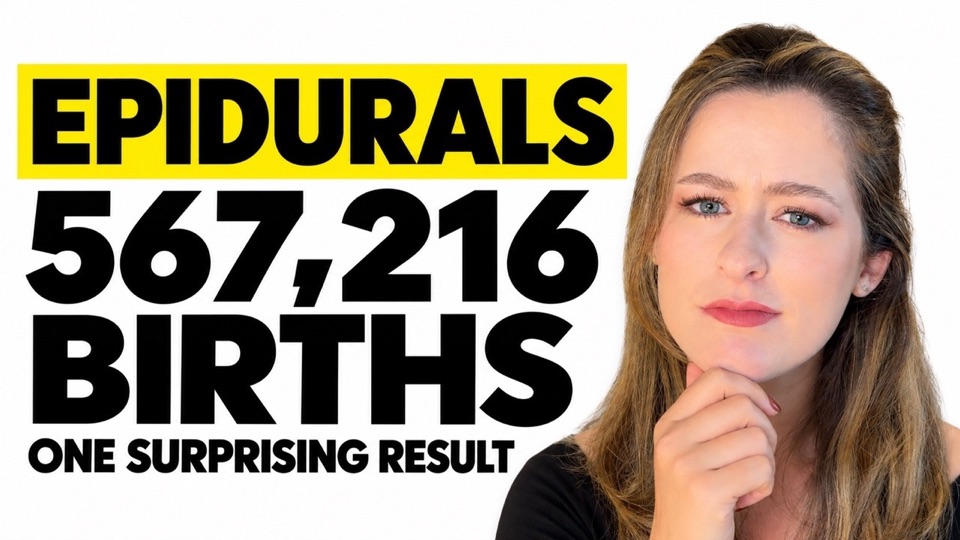
Does an epidural make birth safer? What 567,216 Scottish births show
A study of every labour in Scotland over 13 years linked epidurals with fewer serious complications, but the benefit sat with higher-risk women, and three in four of them didn't have one.
 6:25
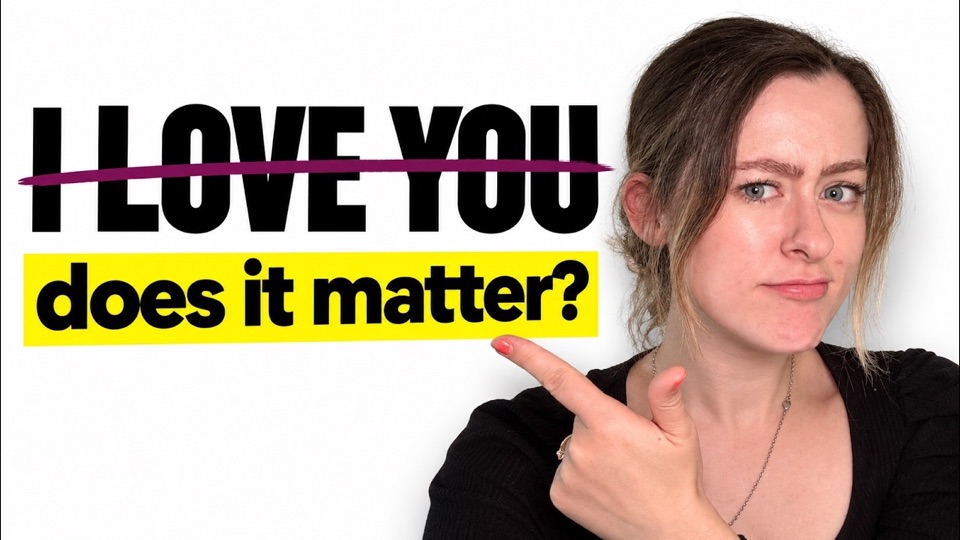
Does saying 'I love you' to your children matter? What 2,518 adults said
After Michael Owen said he never tells his children he loves them, I looked at a study of 2,518 young adults: parents' loving words tracked with wellbeing, harsh words with symptoms, and one didn't cancel the other.
 8:35
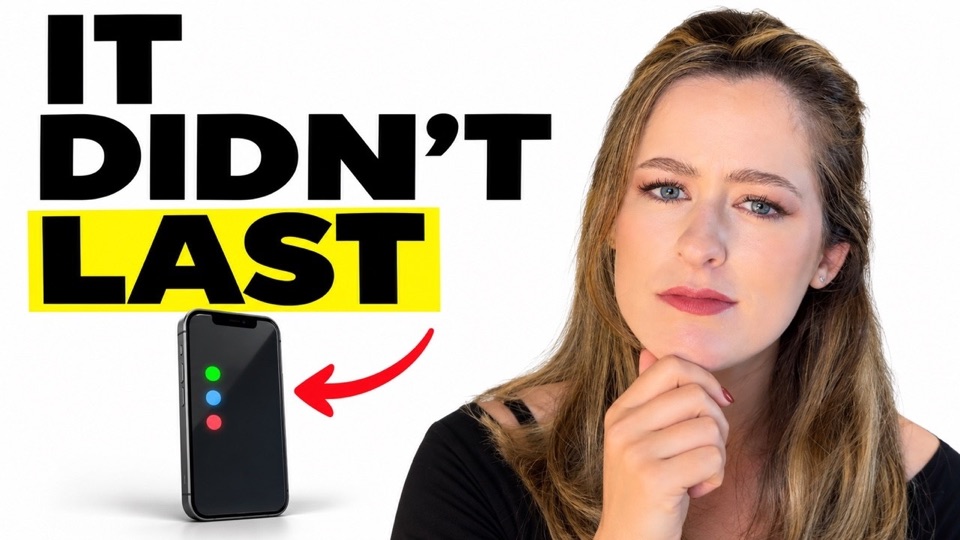
Does a phone detox help teenagers? What a 21-day UK trial found
In a University of York pilot with 82 teenagers, 52 had their phones locked in the school office for three weeks. They felt they slept more and stressed less, but the wearables disagreed and nothing lasted two months.
 8:27
Why C-section rates vary between hospitals: what 67,239 first births show
If caesareans were purely about medical need, hospital rates would match. A study of 67,239 first-time mothers found that much of the difference in caesareans during labour came down to clinical practice.
 11:00
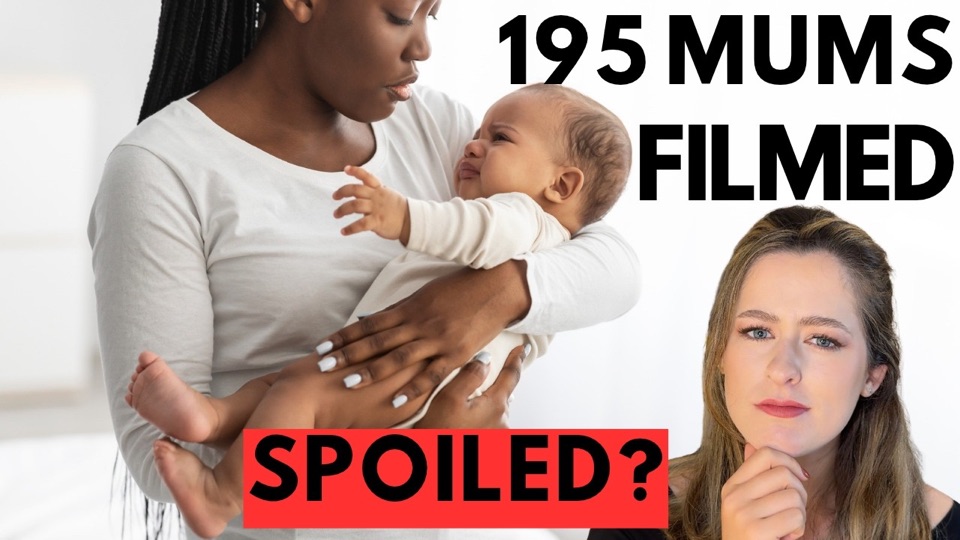
Can you spoil a baby by responding? What filming 195 mothers showed
Researchers in Bangalore filmed 195 mothers with their six-month-olds. How sensitively mums responded to upset, and how irritable the baby was, each added separately to behaviour problems at one. Nothing suggested responding spoils a baby.
 9:35
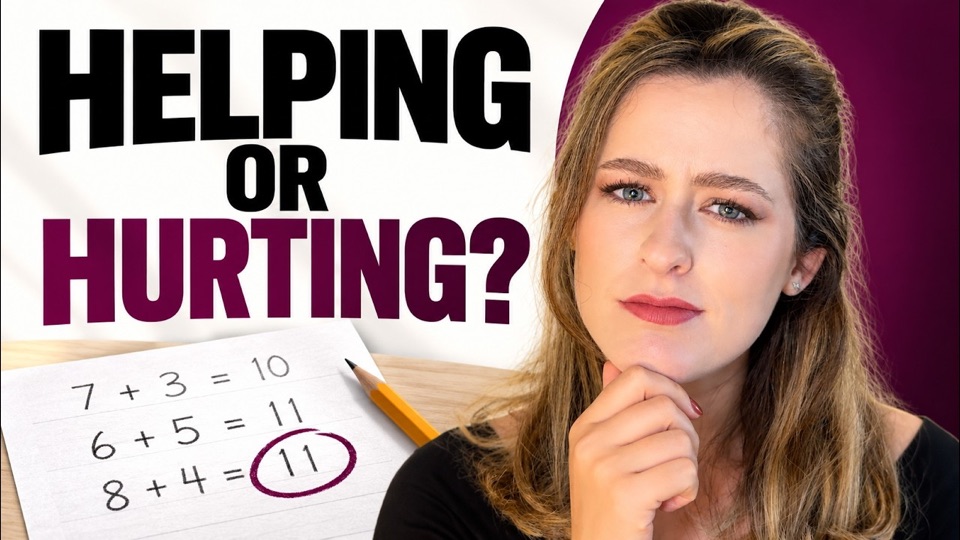
Does helping with maths homework hold children back? A 3,018-child study
A huge replication couldn't find the famous finding that maths-anxious parents who help with homework hold children back. More frequent help was linked with less progress, even allowing for where each child started. The authors suspect the quality of that help plays a part, though the study only measured how often parents helped.
 12:13
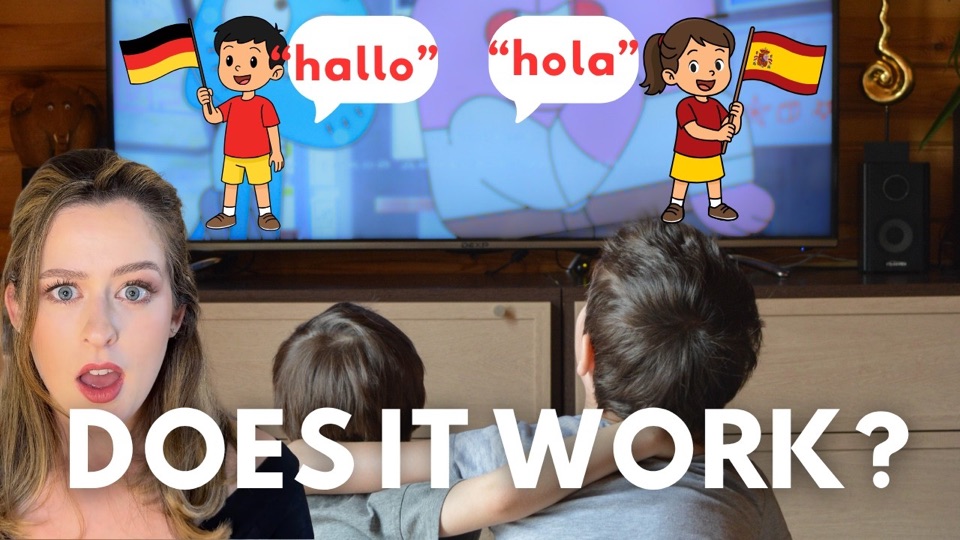
Can toddlers learn a second language from TV? What 3 experiments found
Can a toddler pick up a second language from cartoons? Three experiments, from 2003, 2018 and 2026, suggest a screen on its own does little, but a parent joining in changes what children get out of it.
 10:53
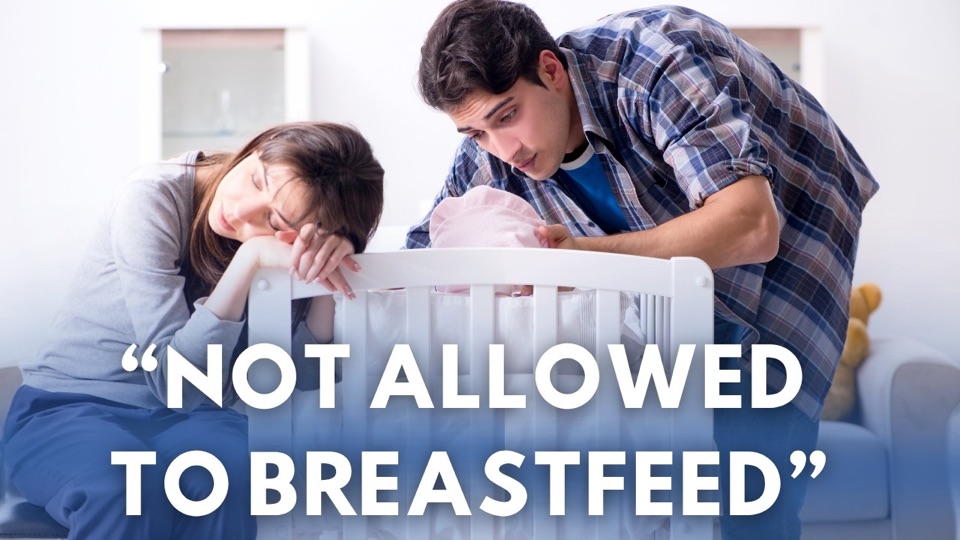
What happens to breastfeeding when you sleep train? 10 mothers who quit explain
Sleep-training trials rarely ask why families drop out. A small Australian study interviewed ten breastfeeding mothers who quit residential sleep programmes. What they described, what it can and can't tell us, and how it sits beside the trials.
 6:41
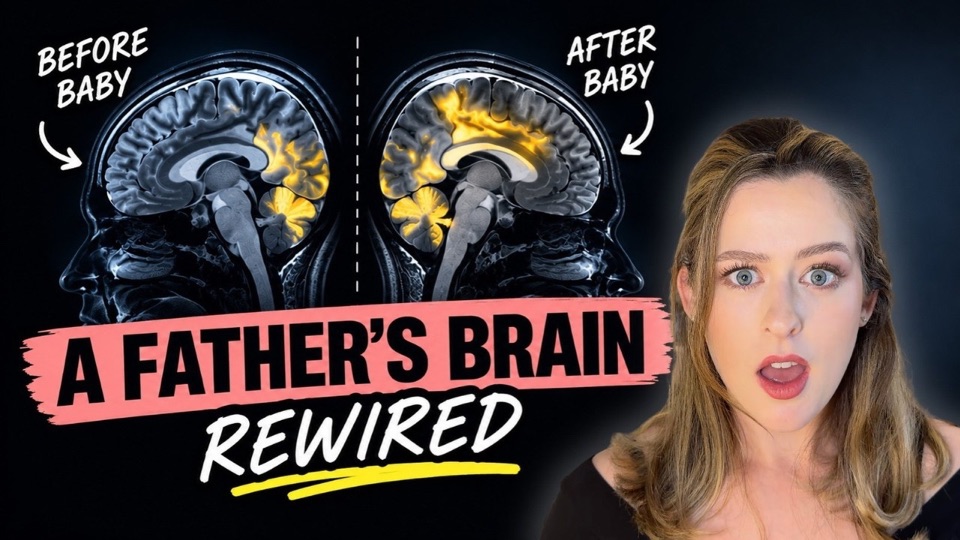
Do dads' brains change too? What brain scans of new fathers found
Two scan studies found first-time fathers lose grey matter after the birth. The most involved dads changed most, and they also reported more anxiety, depression and sleep problems.
 7:17
Romanian orphans study: what moving children into foster care revealed
Two landmark studies of children raised in Romanian institutions show a sensitive period in early brain development, real recovery when loving care arrives early, and why this research is about severe neglect, not ordinary parenting.
 6:20
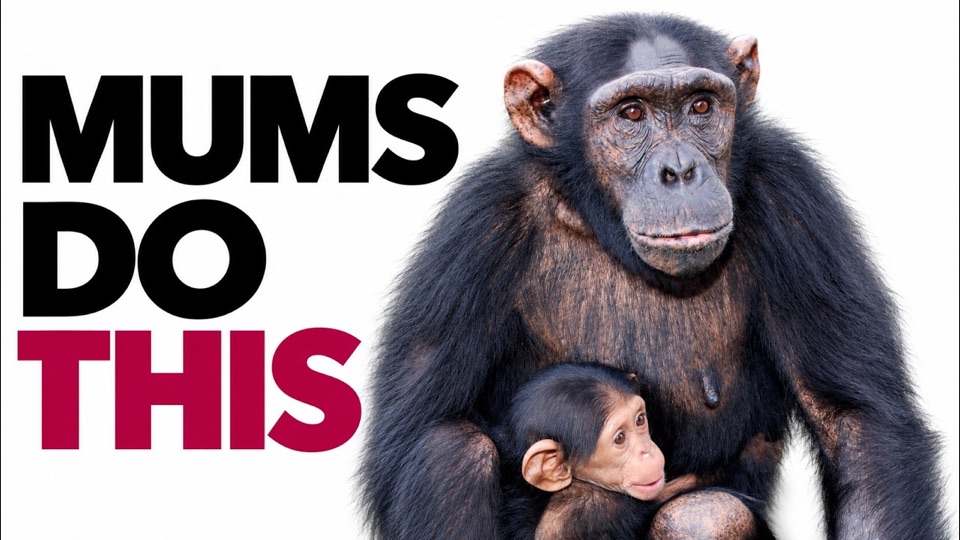
The hidden cost of motherhood: what 10 years of wild chimp play revealed
Researchers recorded nearly 4,000 bouts of adult play in wild chimpanzees over ten years. When good food ran short, adult play fell almost to zero, apart from mothers, who carried on because their young had nobody else.
 12:47
Why I'm home educating my children, as a former primary teacher
My personal reasons for home educating my two: what I saw teaching primary in Scotland, attachment in the early years, the privilege question, and why the research isn't what decided it for me.
 6:32
Is attachment the same everywhere? What 32 studies in 8 countries found
The attachment-style quizzes online trace back to one 1970s American lab test. When researchers pooled 32 studies from 8 countries, secure attachment came out most common, but the mix of the other labels varied between countries, and even more within them.
 8:40
PFAS in breast milk: should you stop breastfeeding? What the data shows
A 2021 study found trace PFAS in breast milk from 50 US mothers. Old 'forever chemicals' are falling while their replacements rise, but it measured exposure, not harm, and formula isn't PFAS-free either.
 8:08
Chemicals in disposable nappies: what testing 31 products actually found
Researchers tested 31 disposable nappies and wipes for 98 volatile chemicals. Every product had trace levels, including benzene in baby nappies, but the most useful finding was that ‘organic’ and ‘sensitive’ labels didn't mean fewer chemicals.
 8:45
When should a toddler stop napping? What 26 studies say about naps and night sleep
Is your toddler's nap helping, or making bedtime a battle? A 2015 review of 26 studies linked napping after age two with later, shorter night sleep. What it found, when children usually stop napping, and why the evidence is weaker than it looks.
 7:47
Is ChatGPT's baby sleep advice safe? A study tested three AI chatbots
Researchers put real parents' safe sleep questions to ChatGPT, Gemini and Claude. Accuracy varied a lot, all three scored top marks for warmth and empathy, and nuanced questions tripped them all up.
 10:58
Do Danish babies really cry less? What 57 studies say about normal crying
The claim that Danish babies cry least rests on just two small studies. A 57-study review shows how much normal babies really cry, and what genuinely differs in Denmark: 11 weeks of leave for dads.
 19:20
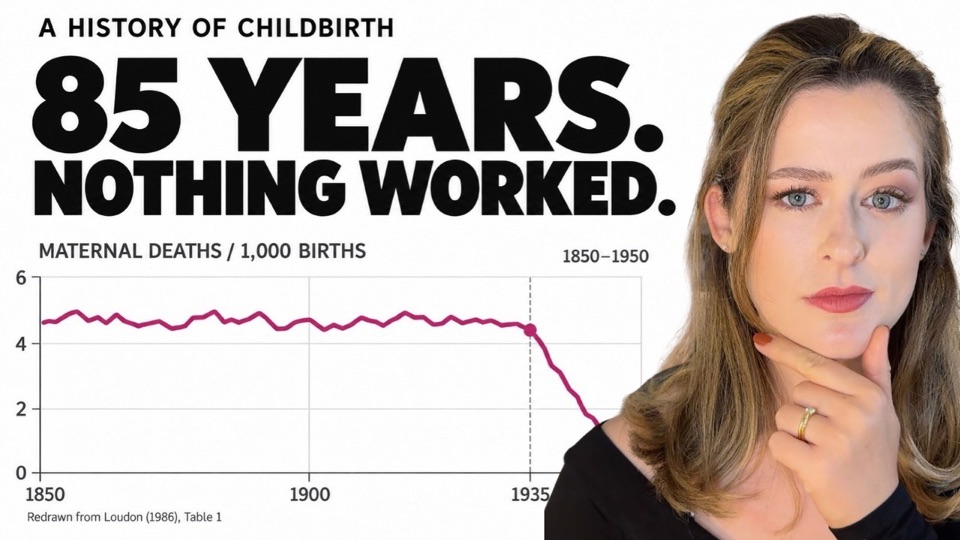
History of childbirth: why birth didn't get safer for 85 years, then did
From secret forceps and deadly lying-in hospitals to Semmelweis, twilight sleep and the first antibiotic: the history of childbirth in Britain, and what the evidence says about giving birth safely today.
 7:08
What actually starts labour? A new study points to your immune cells
Nobody could say what flips the switch on labour. A new preprint from a Toronto lab suggests immune cells move into the womb muscle and hand over their mitochondria, fuelling contractions and breaking down progesterone locally.
 8:47
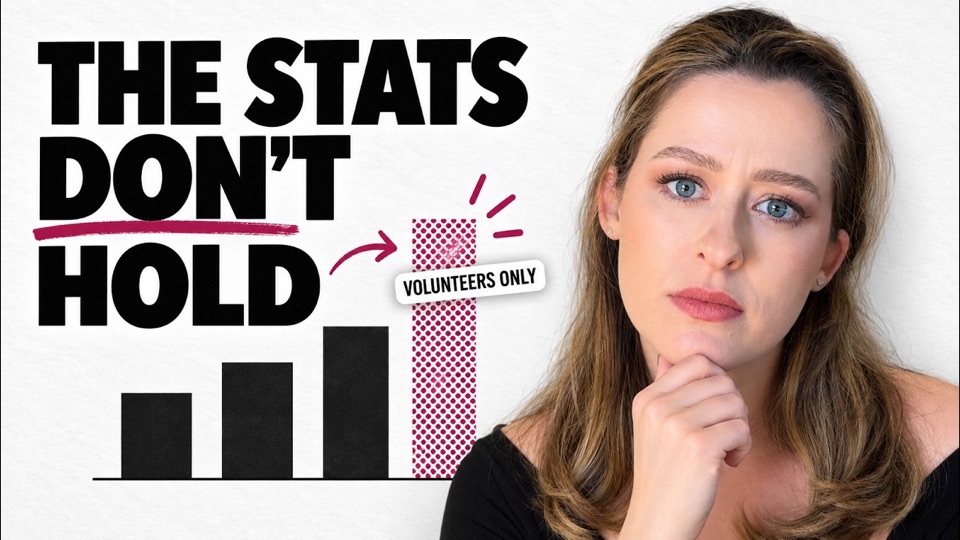
Do homeschooled children really outperform? What 2,000 research texts show
A review of more than 2,000 academic texts on homeschooling found the famous 80th-percentile figures rest on volunteer samples, and that the achievement gap largely disappears once family background is controlled for.
 10:15
Do warm parents raise narcissists? What a 17-year study of 674 children found
Following 674 children from 10 to 26, researchers found parental warmth predicted confident self-belief, while hostility, conflict and self-blame predicted the toxic kinds of narcissism. The effects were small and mostly ran through the teenager.
 7:07
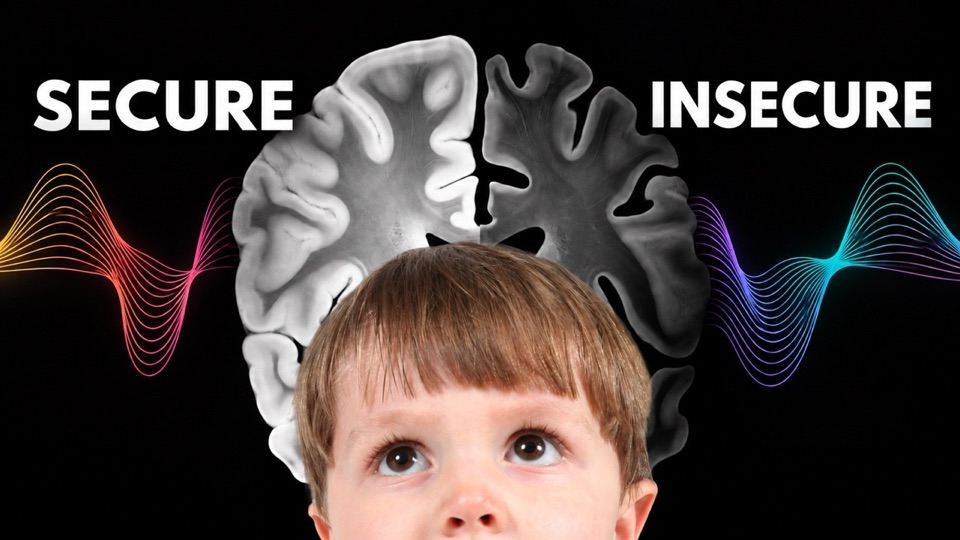
Does attachment shape a toddler's brain? What a 133-family study found
A Beijing team followed 133 mothers and children from age one to three, then measured brain activity. Secure and insecure toddlers differed, but early synchrony only mattered if it was still there two years later. Different, the study shows, is not worse.
 9:52
Antibiotic-resistance genes in your baby's gut: do breast milk sugars make a difference?
By one month old, a baby's gut already carries dozens of antibiotic-resistance genes, and 208 different ones turned up across one small group of babies. A 2026 study of 57 babies linked breast milk sugars to fewer of them. What it found, what secretor status means, and why the full paper is messier than its abstract.
 8:16
How long should you wait between babies? What 148,544 pregnancies show
The 18-month advice runs from birth to conception, not birthday to birthday. Short-gap risks varied with the mother's age, and a Swedish sibling study suggests most of the apparent risk comes from family differences.
 8:30
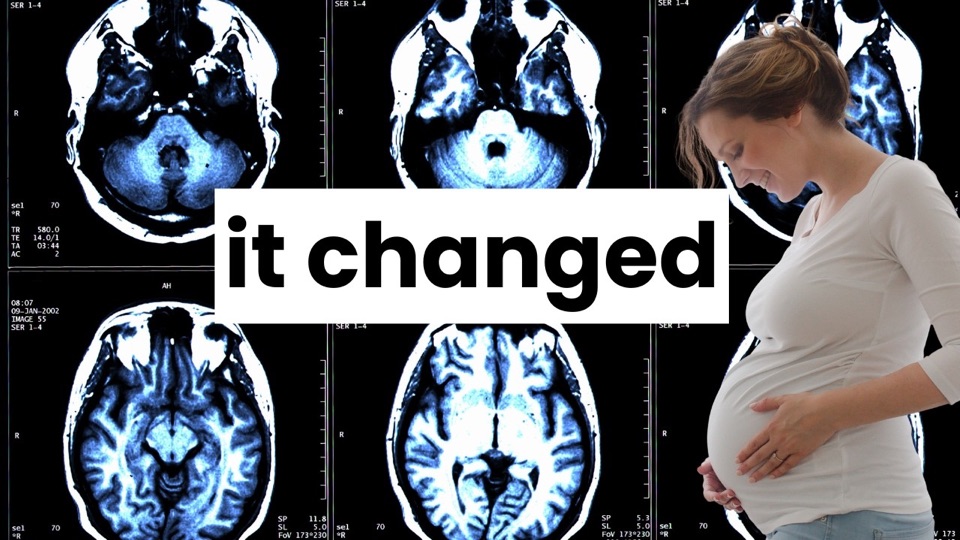
What pregnancy actually does to a mother's brain (and why "mum brain" is the wrong story)
Researchers scanned women before pregnancy and again after birth, and found grey-matter changes so consistent they could tell who had been pregnant from the scan alone. It's a landmark study, but a small one, and what it shows is reorganisation in the social brain, not the memory loss we blame on "mum brain".
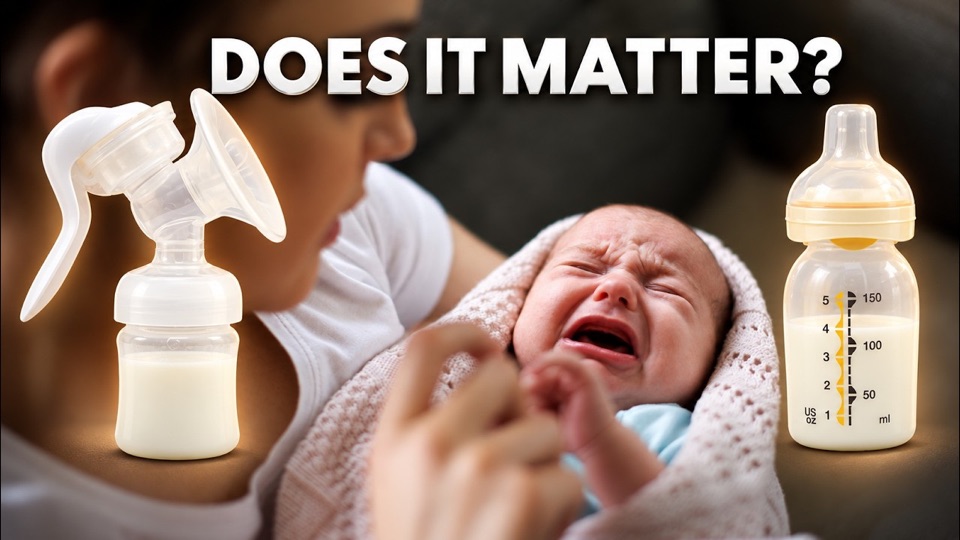 5:37
Does breastfeeding prevent colic? What a 216,000-baby meta-analysis really found
A new meta-analysis pooled 15 studies and found exclusively breastfed babies had 19% lower odds of colic. But split the comparison and the story changes: the difference shows up against mixed feeding, and becomes weaker and no longer statistically significant against formula alone. Here's what that does and doesn't mean for your screaming baby.
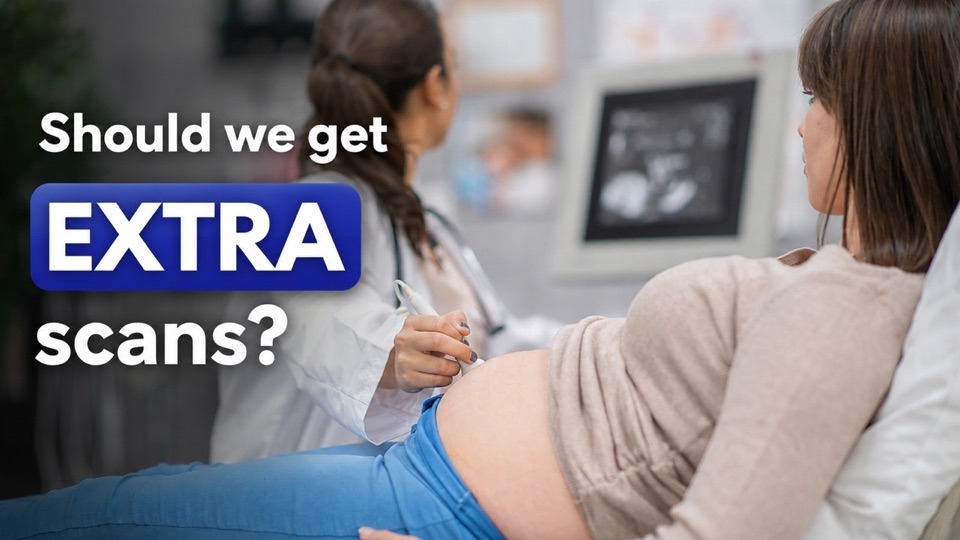 13:22
Should every pregnancy get a third-trimester scan? What 13,000 pregnancies actually showed
A petition asked the NHS to offer everyone a routine late-pregnancy scan. The trials say extra scans find more small babies but don't clearly change outcomes, and generate false alarms. The strongest evidence for a 36-week scan turns out to be about something else entirely: which way up the baby is.
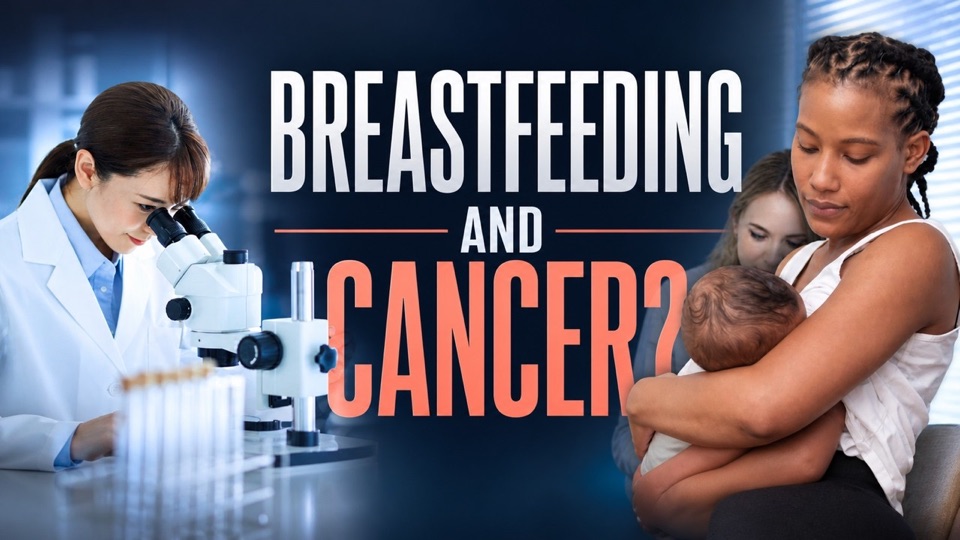 7:45
Why breastfeeding lowers breast cancer risk: the immune cells that stay on guard for years
We've known for decades that breastfeeding is linked to lower breast cancer risk. A 2025 Nature paper may finally explain why: a full cycle of lactation and weaning leaves specialised CD8+ T cells resident in breast tissue. Here's the finding, the meta-analysis behind the risk numbers, and the caveats on both.
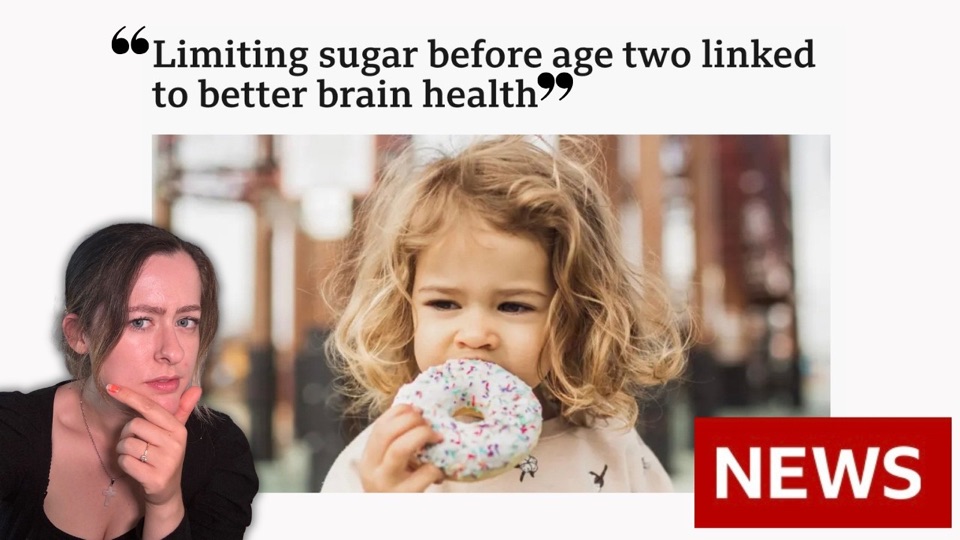 8:28
Sugar before age two and dementia 70 years later: what Britain's rationing experiment really shows
When sugar rationing ended in 1953, Britain accidentally ran an experiment no ethics committee would approve. Two new UK Biobank studies compared the babies born either side of that line and found lower dementia risk in the rationed group. It's a clever design with real limits, and it doesn't mean the lactose in milk, or one birthday cake.
 11:21
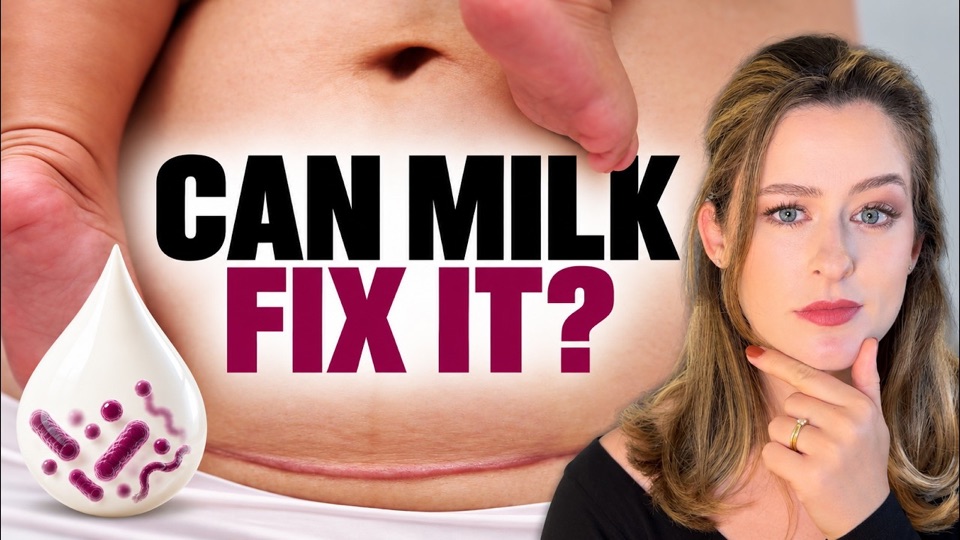
If You Had a C-Section, Can Breastfeeding "Make Up" for It?
C-sections are at a record high in the UK, and the microbiome research is often reported as a verdict on the baby. Here's what the Baby Biome Study and the newer source-tracking work actually show — and why breast milk turns out to be a specific, targeted delivery route for the microbes a caesarean interrupts.
 8:13
The Study That Took Children From a B to an A
In a real middle-school classroom, low-stakes quizzes lifted chapter-exam scores from 81% to 94%, while rereading barely beat doing nothing. Here is what that remarkable result does - and does not - mean for parents.
 8:48
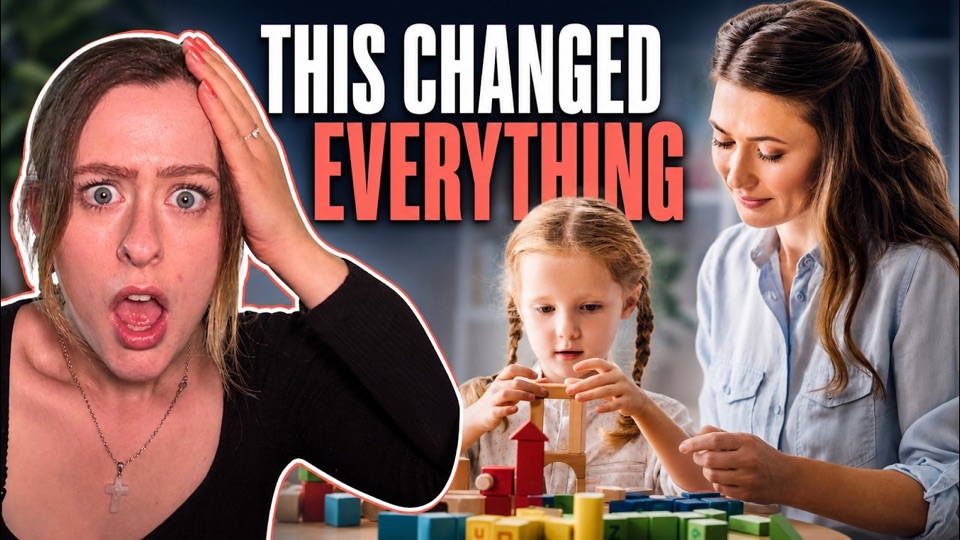
Free play, guided play or direct teaching? What 39 studies say about how young children learn best
Should you hand over the blocks and step back, or sit down and teach? A meta-analysis pooling nearly 3,900 children found a sweet spot in between: guided play, where the adult sets things up and asks gentle questions but the child stays in charge. The effects are real but modest, and the honest caveats matter.
 7:57
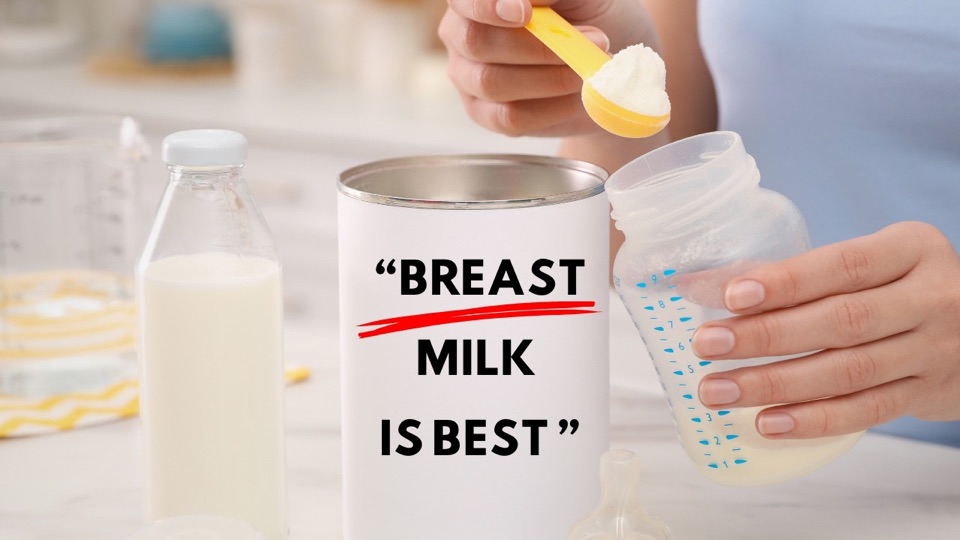
The 'label of shame': what a warning on a formula tin does to mothers
A 2026 study asked formula-feeding mothers in Israel how they read the label saying breast milk is best — and many said it made them feel judged, inadequate, and forced to justify a safe choice. It's a small, self-selected sample, so let's be precise about what it does and doesn't show — and why, if you formula fed, that label was never a verdict on you.
 6:51
What a New Genetic Study Says About the Hormones Behind Postpartum Depression
A 2026 Mendelian randomization study went looking for which perinatal hormones actually cause postpartum depression — and named one that raises risk and one that seems to protect.
 6:40
Scientists filmed 94 toddlers having tantrums. Here's what was linked with worse tantrums, and what wasn't
Parents of a screaming toddler are told either to be tougher or to ignore it. When researchers filmed toddlers three times over a year, neither slogan held up: more force predicted worse tantrums, consistency predicted milder ones, and ignoring made no difference. A small, observational study, but a useful direction.
 9:49
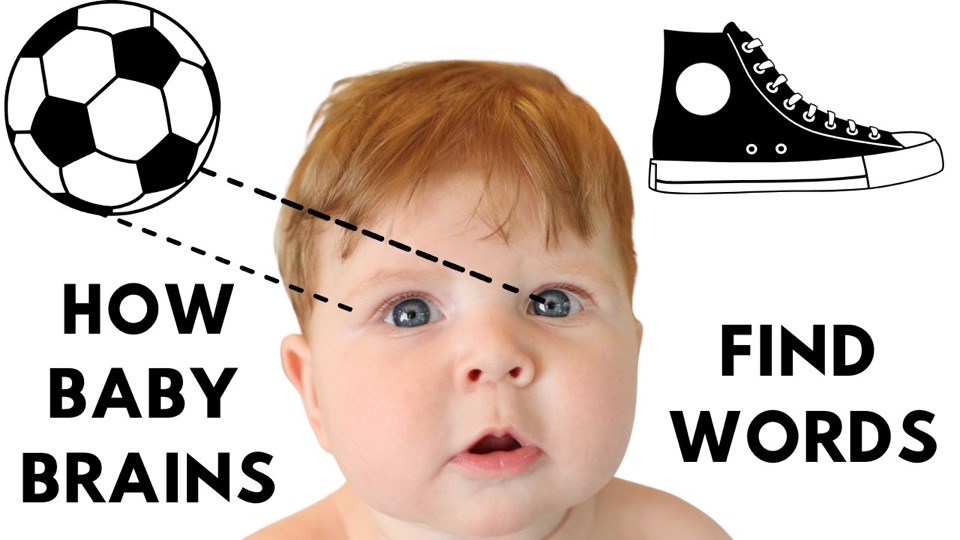
What 2,500 toddlers' eyes reveal about how language is learned
Long before a toddler can say "ball", their eyes race to find it in a picture. Researchers pooled eye-tracking data from 26 studies and 2,555 children to map how word recognition develops, and found it grows like any skill: fast early gains that level off. Quick recognisers had bigger vocabularies, but getting faster wasn't linked with faster vocabulary growth.
 17:50
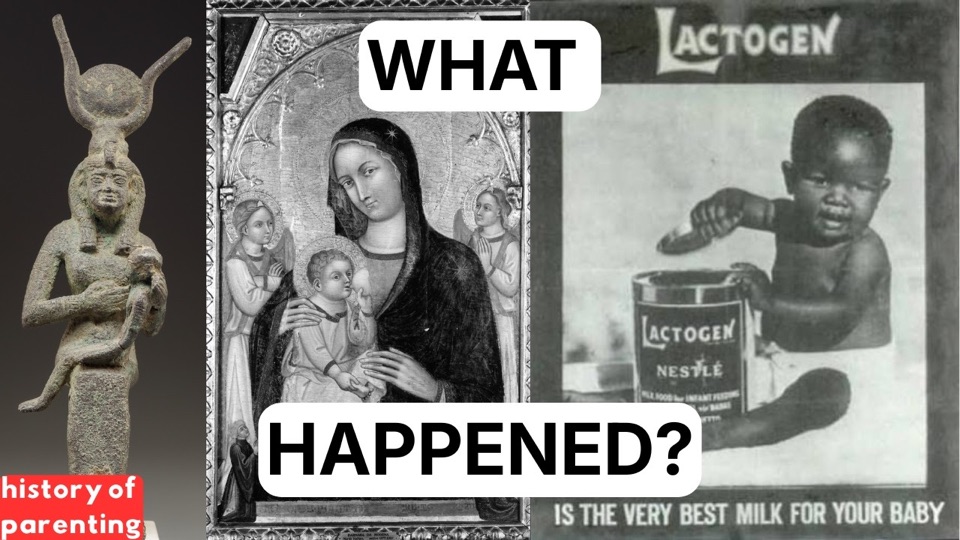
Two million years of breastfeeding: a short history of how we fed babies, and how that changed
From the chemistry of fossil teeth to Bronze Age baby bottles, Roman wet nurses, the Nestlé boycott and the 1981 WHO Code, breastfeeding has been shaped by biology, class, work and marketing. This is the long view, and why it matters for the choices parents face today.
 8:30
Pumped vs direct breastfeeding: does the milk's microbiome change? A small study looked
Breast milk carries its own community of bacteria. A study of 14 mother-baby pairs asked whether that community differs when milk is pumped and bottle-fed rather than fed at the breast. It found one intriguing difference in how the milk's diversity changed over time, tangled up with earlier solids and a tiny sample. It didn't look at babies' health at all, so there's nothing here to suggest any baby was worse off.
 9:11
The Science on Home Education: What the Research Really Shows
A new nationwide US study found home-educated children scoring in the top quarter on standardised tests, even after adjusting for income and ethnicity. Here's what that does and doesn't tell us, including a conflict of interest worth knowing about.
 9:24
Could letting your child play outside protect their mental health?
A 2026 UK study followed more than 4,000 Scottish children for years and found that those who played outdoors more as toddlers were more likely to stay on a healthy mental-health path into middle childhood. It's a genuinely promising finding — and, like all observational research, one to hold with care.
 8:04
As UK summers get hotter, what does heat do to a child's developing brain?
A 2026 study of more than 100,000 children found that extreme early-life heat was linked to a higher risk of developmental delay. The numbers sound frightening — so it's worth being very precise about what they do, and don't, mean for a UK family.
 8:03
Breastfeeding and ADHD: what a huge new sibling study really found
A 2026 Norwegian study of more than 37,000 children found that longer breastfeeding was linked to fewer ADHD symptoms — and it survived the two tests that usually sink this kind of research. But 'moderate' is doing a lot of work in that headline.
 7:15
Does how long you breastfeed shape a child's brain? A 5,000-scan study weighs in
A 2025 study scanned the brains of more than 5,000 children aged 9 to 12 to ask whether breastfeeding duration leaves a lasting structural mark. The findings are real — but the reason they are so hard to interpret is the most important part of the story.
 7:48
Why the advice on bedsharing depends on which country you're in
From near-universal in Japan to 'never' across much of the US, official bedsharing guidance varies wildly around the world. The reason has less to do with the science than with how each culture decides to weigh risk.
 8:15
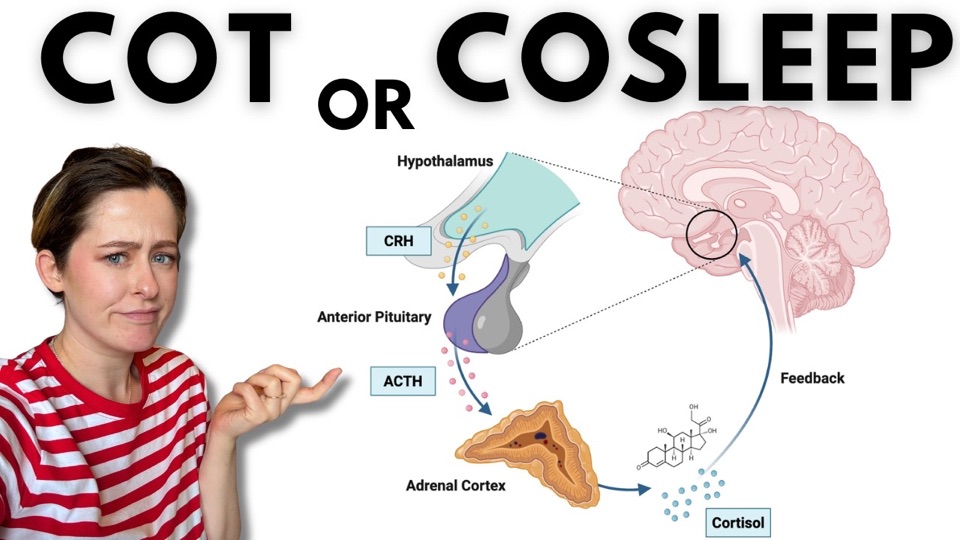
What happens to your baby's cortisol when they sleep alone?
A Dutch study tracked infants' stress hormones during everyday moments — and found that where a baby sleeps was linked to how strongly their body reacted. The finding is more interesting, and more nuanced, than the headlines suggest.
 6:19
Is it safe to breastfeed while pregnant? What the science actually says
Plenty of women are told to wean the moment they see two lines. A 2025 meta-analysis found no rise in miscarriage or preterm labour overall, but it did find links with low birth weight, so the real picture is more nuanced.
 6:09
Is night waking bad for my baby's brain? What the research found
A Birkbeck EEG study of 76 babies found the link between night waking and brain activity changes with age, and a 2024 review of 22 studies found no conclusive link between infant sleep and development.
 7:27
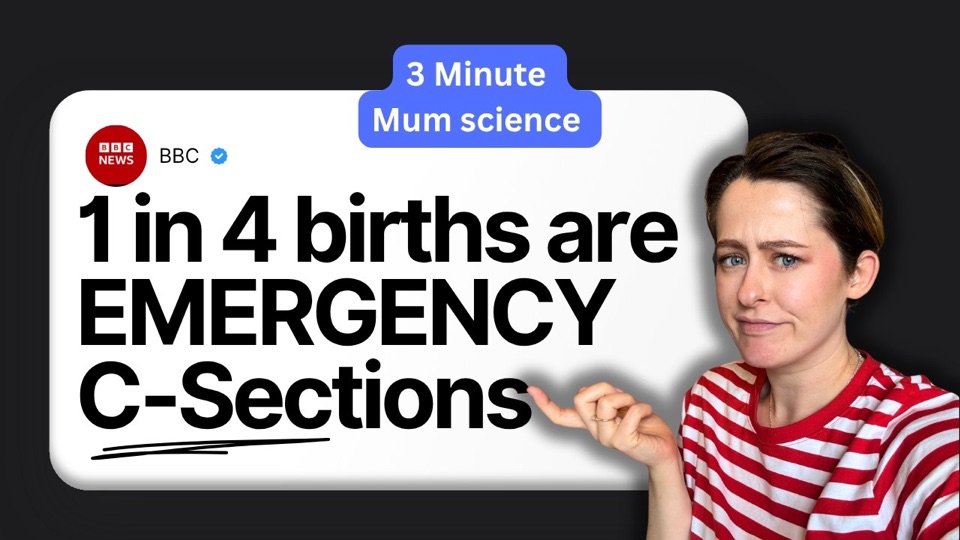
1 in 4 births in England is now an emergency caesarean: what the research says
A BBC analysis found emergency caesareans have risen from 18% to 26% of births in England in five years. Here's what the research says about C-sections and babies' health, and what parents can do.
 7:26
Home education in Australia has nearly doubled: what does the research say?
Home education in Australia has nearly doubled since 2020. What's driving the rise, what the 2024 national study found, and what the evidence says about academic and social outcomes.
 4:43
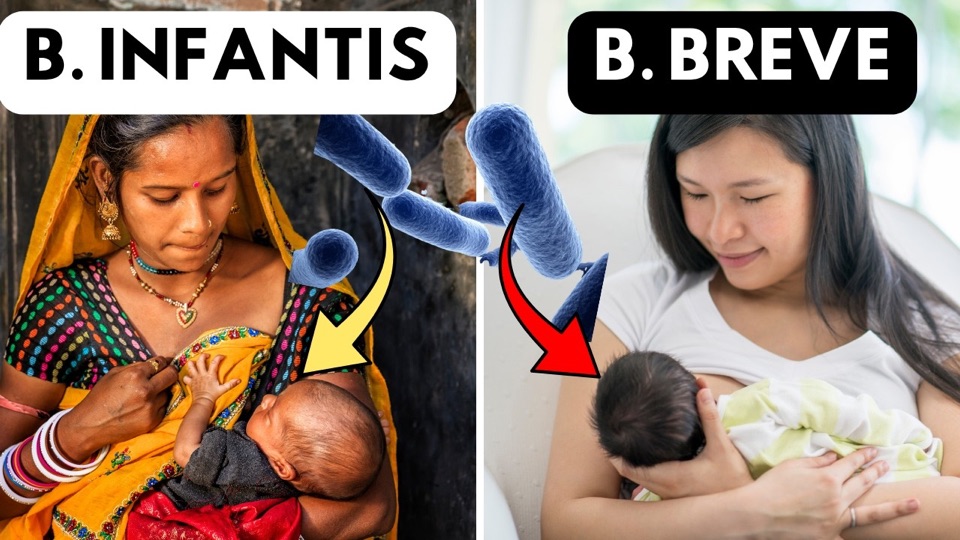
Is a key breastfeeding bacterium disappearing from Western babies?
Breast milk has its own living microbiome. But B. infantis, the gut bacterium best adapted to breast milk, has become rare in babies in industrialised countries, even breastfed ones. Here's what the research shows and what it doesn't.
 9:58
Does sugar make toddlers hyper? The myth, the crash, and what UK toddlers actually eat
The "sugar rush" was debunked in 1995: in blinded trials, sugar didn't change children's behaviour, but parents who expected it to saw it anyway. Yet the cupcake meltdown is real. The likelier culprit is the crash after a fast sugar spike, which fibre softens, and nearly half of UK toddlers' calories now come from ultra-processed foods.
 5:09
Microplastics in breast milk: what the studies found, and what to do
Studies in Italy and Thailand have found microplastics in 39% to 75% of breast milk samples. Exposure is real, harm hasn't been measured, and the advice is to keep breastfeeding and cut plastic where it's easy.
 6:39
Is the fourth trimester real? What newborn brain science says
The ‘fourth trimester’ rests on a contested evolutionary story, but the neuroscience of the first months is clear: a newborn's brain is far from finished. A small kangaroo care trial suggests your touch matters to how it develops.
 7:41
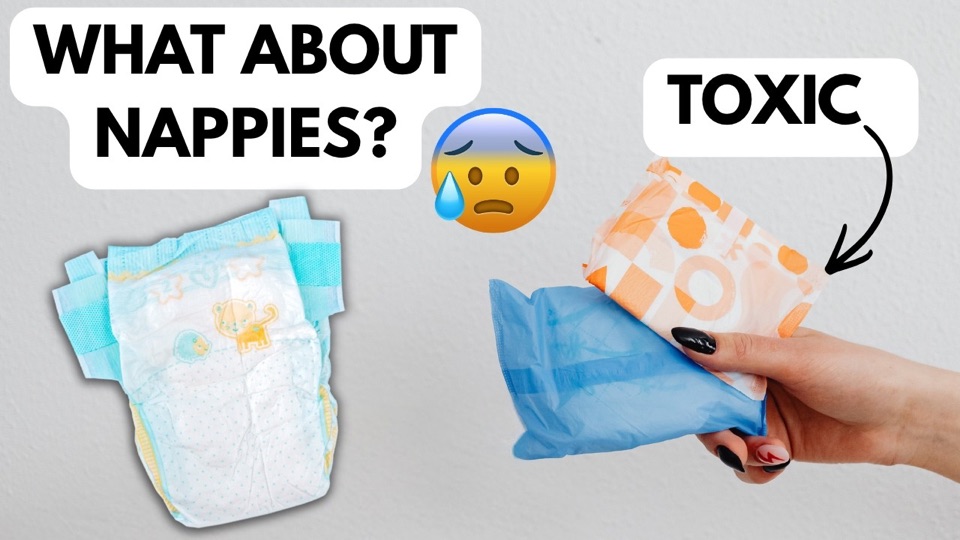
Are disposable nappies toxic? What period product research can and can't tell us
Sanitary pad and tampon research has found microplastics and hormone-disrupting chemicals. Disposable nappies are built the same way and sit on thinner skin. What we can and can't infer for babies, with no guilt about using disposables.
 13:40
Home education in the UK: why it's rising and what the evidence shows
Home education in England is up almost 15% in a year, with mental health now the top reason. What the law says, what's changing, and what the evidence on learning and socialising can and can't tell us.
 7:40
Is paracetamol safe in pregnancy? What the autism and ADHD studies show
In 2025 a Mount Sinai review and the FDA raised concerns about paracetamol in pregnancy and autism or ADHD. A 2026 Lancet review and a 2.5-million-child Swedish sibling study suggest family factors explain the link.
 7:50
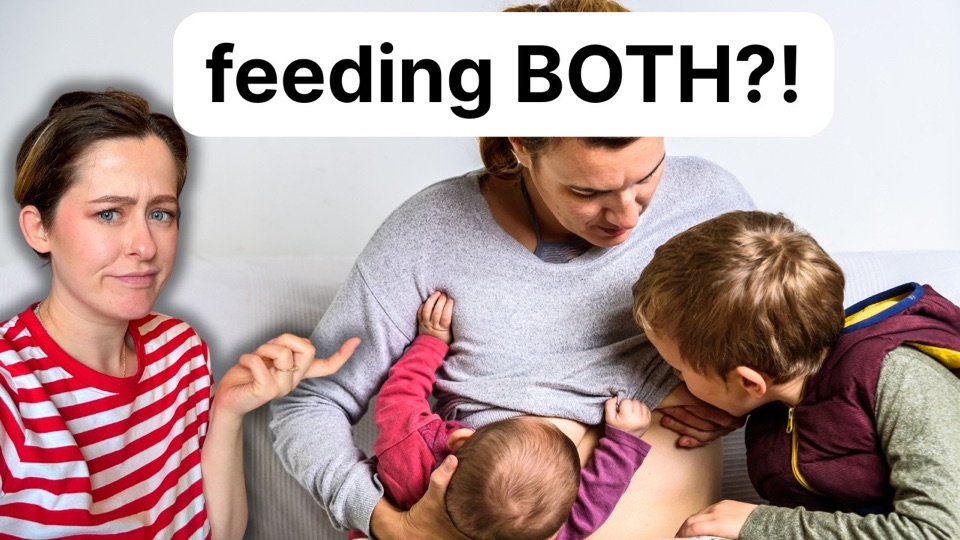
Tandem breastfeeding a toddler and a baby: what the science says
I'm breastfeeding a toddler and a baby at the same time. Here's how supply actually works, the genuine pros, the honest cons including nursing aversion, and the myths I wish someone had busted for me.
 11:32
Are baby sleep consultants safe? What the BBC investigation found
A BBC undercover investigation caught paid baby sleep consultants suggesting front sleeping and towels in the cot. Why that's dangerous, what normal infant sleep looks like, and how to check any advice.
 6:53
Should you breastfeed past one? What the research says about toddlers
Breastfeeding a toddler draws comments, but the guidance and the science are calmer than the cultural noise. Here's what milk in the second year contains, what it may do for immunity and the gut, and where the evidence is thin.
 9:06
Is it bad to argue in front of your kids? What the research actually says
Decades of research on parents' conflict suggest it's not whether children see you disagree but how: aggression and unresolved tension are linked to problems, while calm resolution softens them. For babies, your own recovery matters most.
 3:25
Do eggs choose which sperm fertilises them? What one human study found
We're taught that conception is a race won by the fastest sperm. A 2020 study found that the fluid surrounding human eggs attracted some men's sperm more than others, suggesting the egg plays a more active, chemical role than we thought.
 4:03
Does screen time delay speech? What recording 220 families' homes revealed
Worried a bit of telly is delaying your toddler's speech? A JAMA Pediatrics study recorded around 220 family homes and found screen time went with less talk and back-and-forth. Why that's about displacement, not damage, and what helps.
 5:02
Does parenting keep your brain younger? What a 37,000-person study found
Brain scans from around 37,000 UK Biobank adults found people with more children had connectivity patterns running opposite to typical ageing, in mothers and fathers alike. It's a correlation, but an intriguing one.
 3:45
Should I feed my baby to sleep? What the research actually says
Feeding to sleep is routinely dismissed as a 'bad habit.' The research on what's actually happening — biologically and behaviourally — tells a very different story.
 4:44
What age should a child start nursery? What the UK research shows
The 30-hours-free-childcare policy has pushed the conversation earlier, but the research on optimal starting age is more nuanced than the politics suggests.
 5:24
Why toddlers say 'no' to everything — what the research reveals
The toddler 'no' phase is not defiance. It is one of the most important cognitive achievements of early childhood — and knowing what it actually is changes how you respond to it.
 3:15
Does nursery affect attachment? What the research actually finds
One of the most anxiety-producing questions in early parenting. The research offers a clearer — and more reassuring — answer than you might expect.
 3:59
Why your baby wakes so much at night: what the research actually shows
Night waking feels relentless when you're living it — but the data tells a very different story from the one most parenting books push. Here is what the studies actually found.
 3:34
Nursery or home education? What the UK research actually shows
Parents deserve a more honest answer than the culture war gives them. Here is what decades of UK and international evidence say about nursery, home, and the real drivers of child outcomes.
 4:29
Pregnancy myths you still believe — and what the evidence actually says
Heart rate predicting gender, bump shape, the list that won't die. A look at the pregnancy claims that sound scientific but aren't — and a few that genuinely are.
 5:29
19 weeks pregnant: what nobody tells you
Almost halfway. A lot is happening developmentally this week — most of it invisible to you, and most of it kind of extraordinary.
 7:35
18 weeks pregnant: what nobody tells you
Your baby's hearing is starting to develop around now, and over the coming weeks they will begin to respond to sound. And that is not just sweet — what babies hear before birth may help lay early foundations for language and for recognising your voice.
4 weeks pregnant: what is actually happening
Four weeks is often the moment of the positive test — but in embryological terms, it is a period of staggering structural activity. Here is what is actually going on.
Why babies aren't designed to sleep through the night
The evolutionary and neurological reasons infant sleep looks nothing like adult sleep — and why that's completely normal.
Serve and return: one of the most powerful things you can do for your child's brain
Decades of neuroscience converge on one finding: back-and-forth interaction between caregiver and child plays a key role in building healthy brain architecture.
Hypnobirthing: the physiology behind how it might help
It's not mystical. It's the feedback loop between fear, adrenaline, and pain — and understanding it changes everything about how you prepare for birth.
What 40 years of attachment research tells us about school readiness
Secure attachment in infancy is linked with slightly better social skills, behaviour and school achievement later on, but the links are small and attachment is one influence among many. Here is what the longitudinal evidence shows.