Birth research: C-sections, epidurals and labour
What starts labour, what drives C-section rates, epidurals and the microbiome, explained honestly from the studies.
6 articles · each one starts from a video
 9:12
Does an epidural make birth safer? What 567,216 Scottish births show
A study of every labour in Scotland over 13 years linked epidurals with fewer serious complications, but the benefit sat with higher-risk women, and three in four of them didn't have one.
 8:27
Why C-section rates vary between hospitals: what 67,239 first births show
If caesareans were purely about medical need, hospital rates would match. A study of 67,239 first-time mothers found that much of the difference in caesareans during labour came down to clinical practice.
 7:08
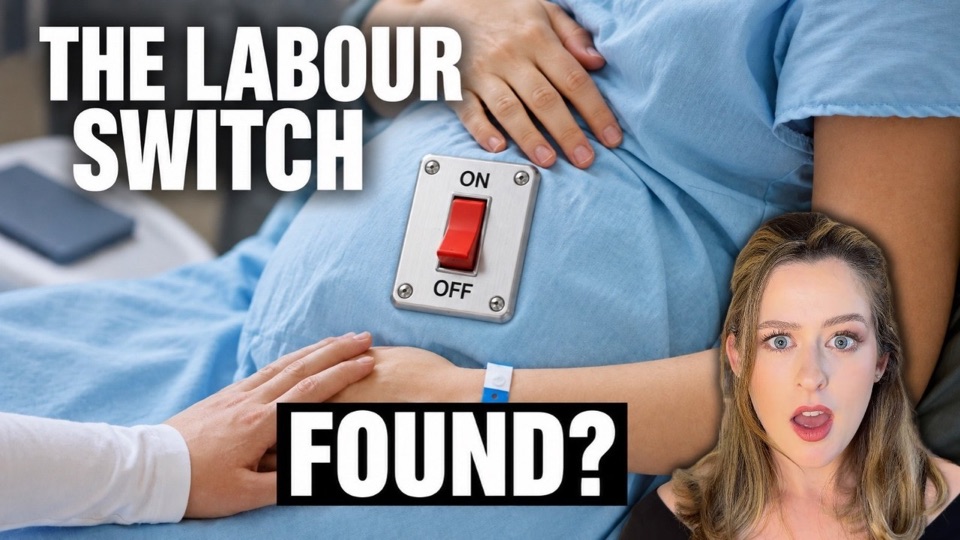
What actually starts labour? A new study points to your immune cells
Nobody could say what flips the switch on labour. A new preprint from a Toronto lab suggests immune cells move into the womb muscle and hand over their mitochondria, fuelling contractions and breaking down progesterone locally.
 11:21
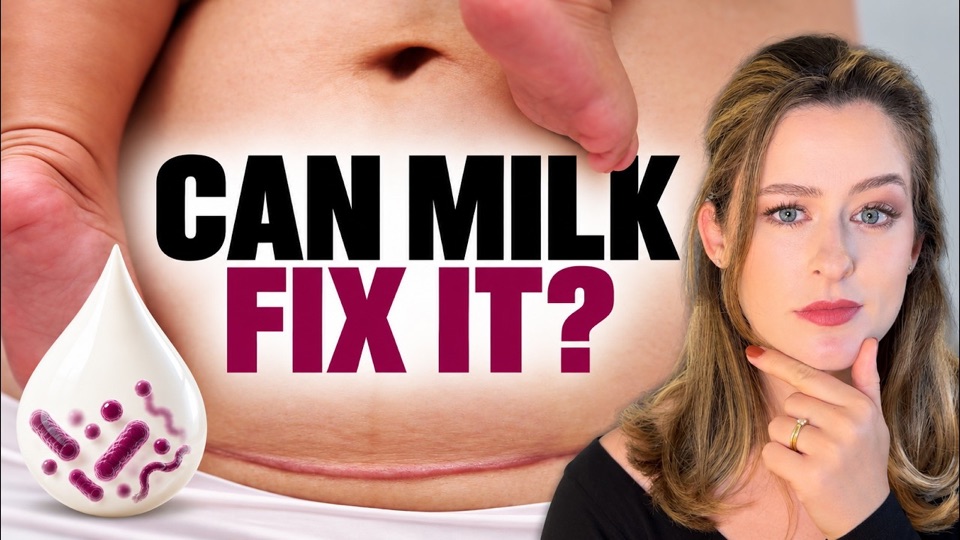
If You Had a C-Section, Can Breastfeeding "Make Up" for It?
C-sections are at a record high in the UK, and the microbiome research is often reported as a verdict on the baby. Here's what the Baby Biome Study and the newer source-tracking work actually show — and why breast milk turns out to be a specific, targeted delivery route for the microbes a caesarean interrupts.
 7:27
1 in 4 births in England is now an emergency caesarean: what the research says
A BBC analysis found emergency caesareans have risen from 18% to 26% of births in England in five years. Here's what the research says about C-sections and babies' health, and what parents can do.
Hypnobirthing: the physiology behind how it might help
It's not mystical. It's the feedback loop between fear, adrenaline, and pain — and understanding it changes everything about how you prepare for birth.