
Hi, I'm Joanna.
Mum of two. Former teacher. The face behind @mumscience, here to make the science of childhood genuinely readable.
I'm Joanna Byrne, a former primary-school teacher (trained and taught in Scotland, now back home in England), a stay-at-home mum to two little ones, and someone who brings a researcher's mindset to everything, including motherhood.
I hold a degree in Ancient History and Philosophy from the University of St Andrews, and I've also studied psychology and neuroscience at university: a breadth of interests united by one constant, a love of research. When I became a mum, I brought that same curiosity to parenting that I once brought to the classroom: reading the studies, questioning the mainstream, and sharing what actually holds up.
I do this because children deserve better than guesswork, fear and passing trends.
A gap worth filling
There's a real gap online for parenting content that takes the academic literature seriously: that reads the whole study, not just the headline, and is honest about what it can and can't tell us. That's what I try to do, in every video and every post.
Every piece draws on peer-reviewed research from developmental biology, neuroscience, educational psychology, attachment theory and related fields. I include the references, explain the caveats, and never pretend a single study is the final word. My goal isn't to tell you what to do. It's to hand you the evidence, clearly, so you can decide for your own family.
A little more about us
We're a family trying to live thoughtfully: cloth nappies, buying secondhand, keeping plastic down. I'm open to home education, drawn to a slower and more intentional kind of family life, and interested in raising children with faith and purpose.
What you can expect from me
Evidence over trends
Peer-reviewed research first, not fashion, fear, or whatever's being sold this week.
Honest, not absolute
I explain the caveats and the confounders. One study is never the final word.
Accessible, not dumbed down
Translated for busy parents while respecting the actual science underneath.
On your side
No judgement, no guilt. Just the information, so you can choose for your family.
Start watching
All videos →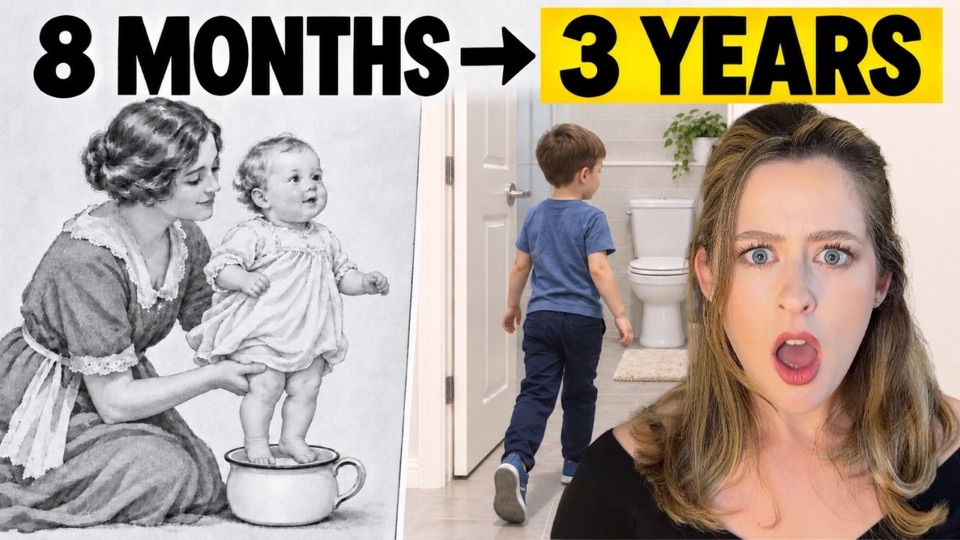 17:09
The History of Potty Training: From Birth to Age Three in 100 Years
From soap sticks and 1929 government leaflets to Brazelton's readiness signs and a nappy company's adverts: how the age of potty training moved by years, and what the research says about early versus late.
 7:56
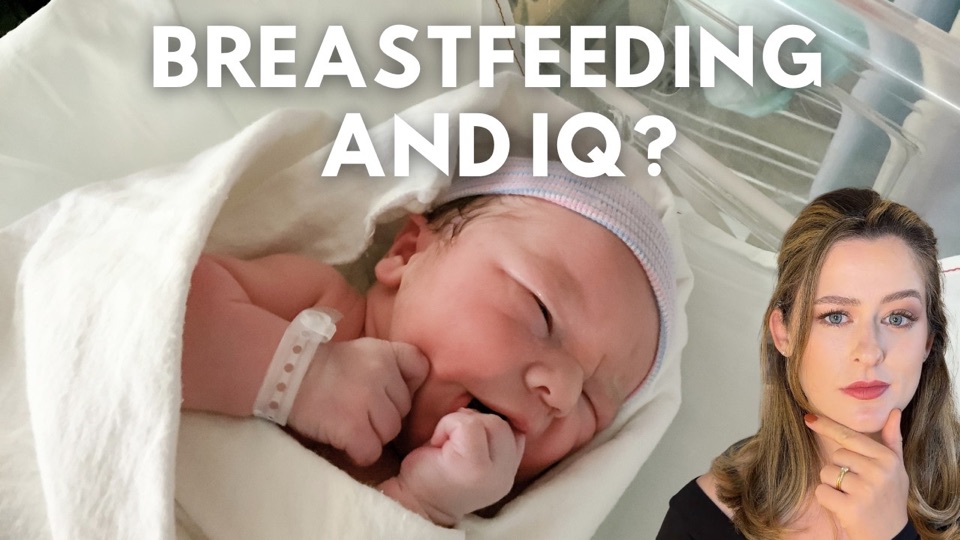
Does Breastfeeding Make Premature Babies Smarter? 797 Children, Tested at Seven
A 2026 study tested 797 children born at 34 to 36 weeks. Breastfed children scored 7.3 points higher at seven, but once differences between the mums were accounted for, the gap shrank to 2.5 points.
 7:39
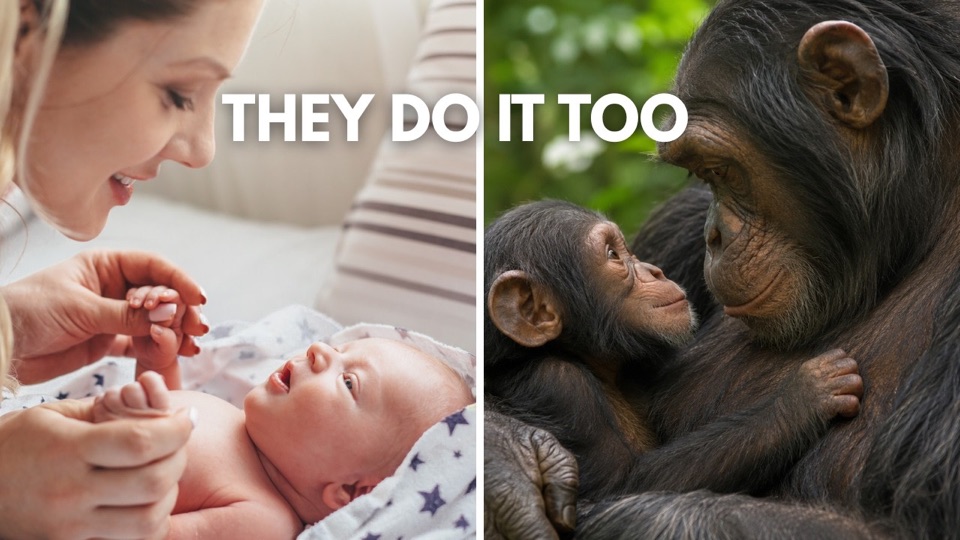
The Thing Human Mothers Do More Than Any Other Primate
Researchers filmed 10 chimpanzee and 10 human mother-baby pairs across the first year. Both species held each other's gaze, but the humans did it more, and the pattern over time was different.