Breastfeeding and infant feeding research
Breast milk science, formula, pumping, weaning and the history of how we have fed babies, with every study read critically and no feeding guilt.
11 articles · each one starts from a video
 7:56
Does breastfeeding make premature babies smarter? A 797-child study
A 2026 study tested 797 children born at 34 to 36 weeks. Breastfed children scored 7.3 points higher at seven, but once differences between the mums were accounted for, the gap shrank to 2.5 points.
 10:50
How do newborns keep warm? The breast milk signal that turns up the heat
Newborns can't shiver. A new study suggests a molecule in breast milk, IL-10, helps switch on their brown fat, and that a cold baby may change the milk. What it found, mostly in mice, and its limits.
 9:52
Antibiotic-resistance genes in your baby's gut: do breast milk sugars make a difference?
By one month old, a baby's gut already carries dozens of antibiotic-resistance genes, and 208 different ones turned up across one small group of babies. A 2026 study of 57 babies linked breast milk sugars to fewer of them. What it found, what secretor status means, and why the full paper is messier than its abstract.
 5:37
Does breastfeeding prevent colic? What a 216,000-baby meta-analysis really found
A new meta-analysis pooled 15 studies and found exclusively breastfed babies had 19% lower odds of colic. But split the comparison and the story changes: the difference shows up against mixed feeding, and becomes weaker and no longer statistically significant against formula alone. Here's what that does and doesn't mean for your screaming baby.
 8:28
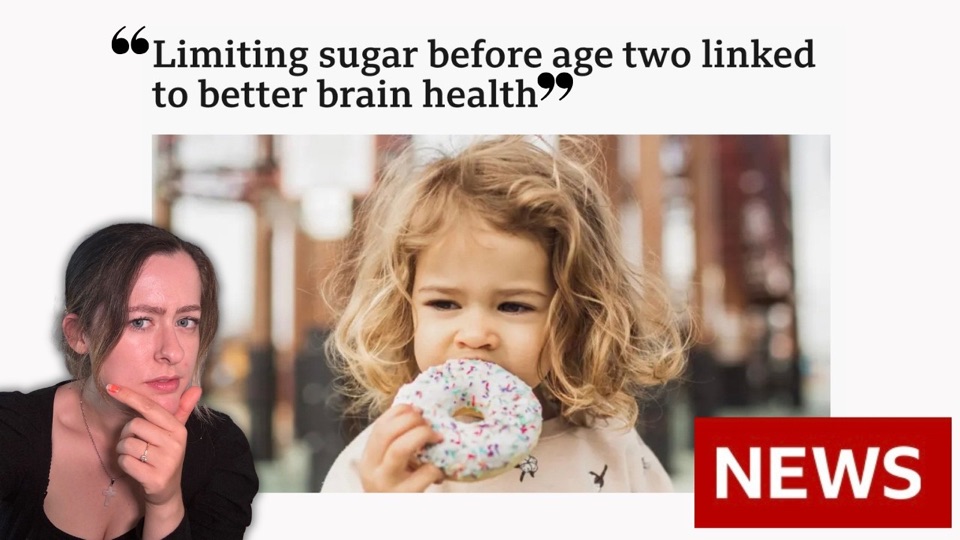
Sugar before age two and dementia 70 years later: what Britain's rationing experiment really shows
When sugar rationing ended in 1953, Britain accidentally ran an experiment no ethics committee would approve. Two new UK Biobank studies compared the babies born either side of that line and found lower dementia risk in the rationed group. It's a clever design with real limits, and it doesn't mean the lactose in milk, or one birthday cake.
 7:57
The 'label of shame': what a warning on a formula tin does to mothers
A 2026 study asked formula-feeding mothers in Israel how they read the label saying breast milk is best — and many said it made them feel judged, inadequate, and forced to justify a safe choice. It's a small, self-selected sample, so let's be precise about what it does and doesn't show — and why, if you formula fed, that label was never a verdict on you.
 17:50
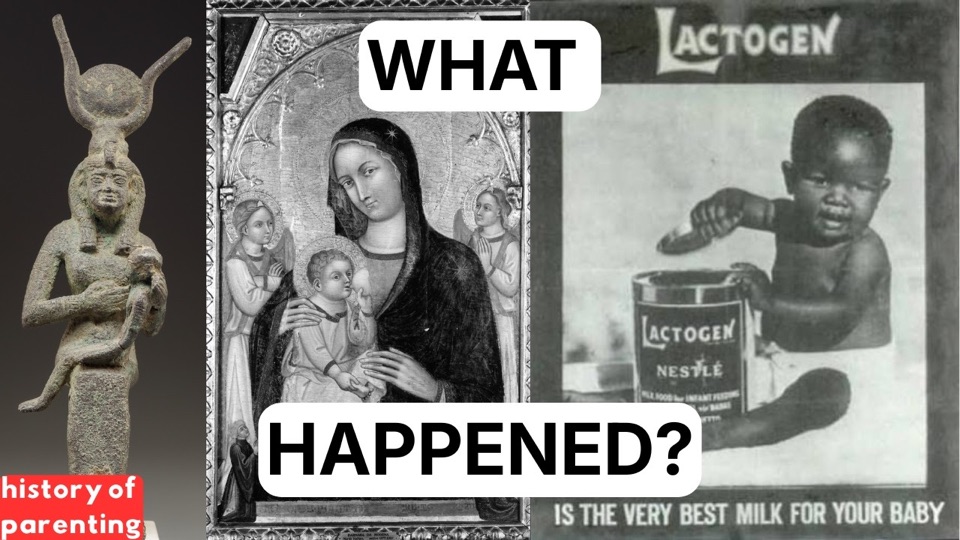
Two million years of breastfeeding: a short history of how we fed babies, and how that changed
From the chemistry of fossil teeth to Bronze Age baby bottles, Roman wet nurses, the Nestlé boycott and the 1981 WHO Code, breastfeeding has been shaped by biology, class, work and marketing. This is the long view, and why it matters for the choices parents face today.
 8:30
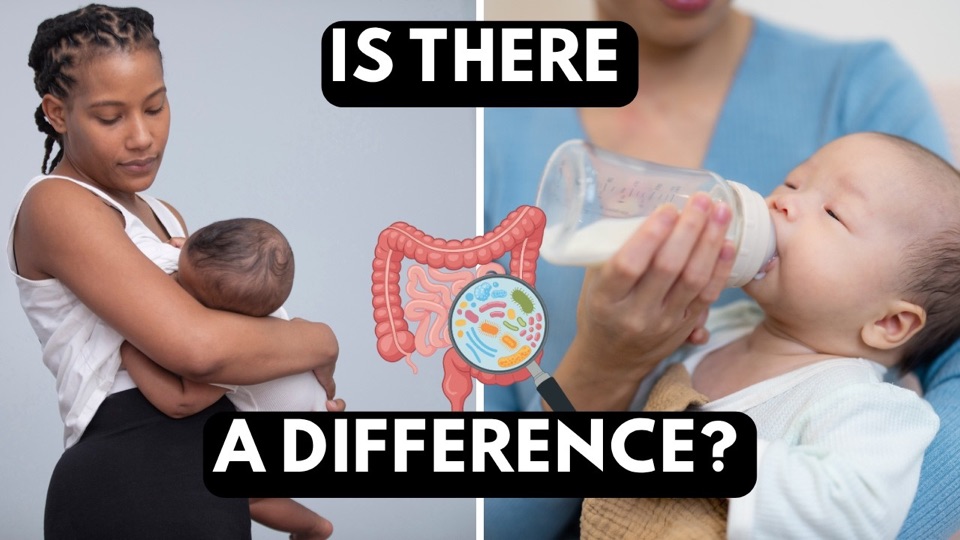
Pumped vs direct breastfeeding: does the milk's microbiome change? A small study looked
Breast milk carries its own community of bacteria. A study of 14 mother-baby pairs asked whether that community differs when milk is pumped and bottle-fed rather than fed at the breast. It found one intriguing difference in how the milk's diversity changed over time, tangled up with earlier solids and a tiny sample. It didn't look at babies' health at all, so there's nothing here to suggest any baby was worse off.
 4:43
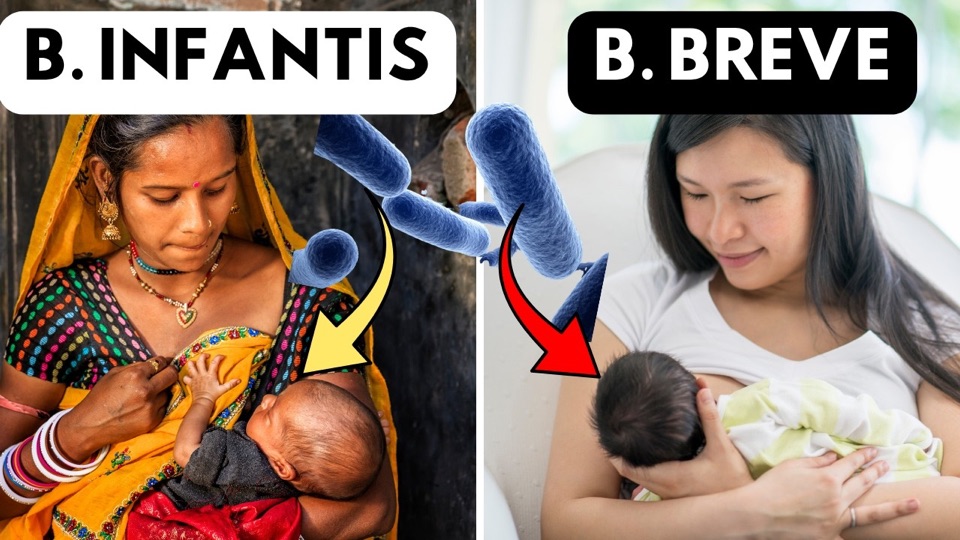
Is a key breastfeeding bacterium disappearing from Western babies?
Breast milk has its own living microbiome. But B. infantis, the gut bacterium best adapted to breast milk, has become rare in babies in industrialised countries, even breastfed ones. Here's what the research shows and what it doesn't.
 7:50
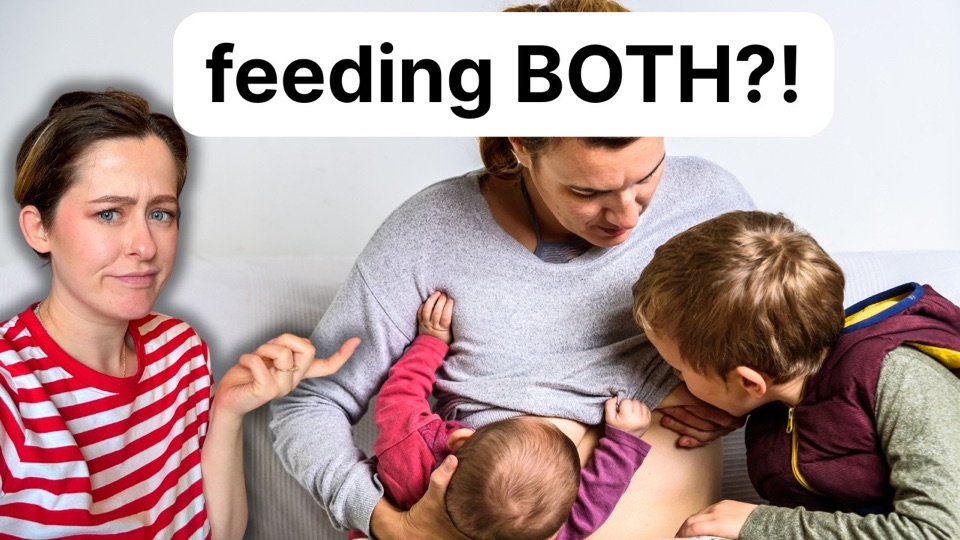
Tandem breastfeeding a toddler and a baby: what the science says
I'm breastfeeding a toddler and a baby at the same time. Here's how supply actually works, the genuine pros, the honest cons including nursing aversion, and the myths I wish someone had busted for me.
 6:53
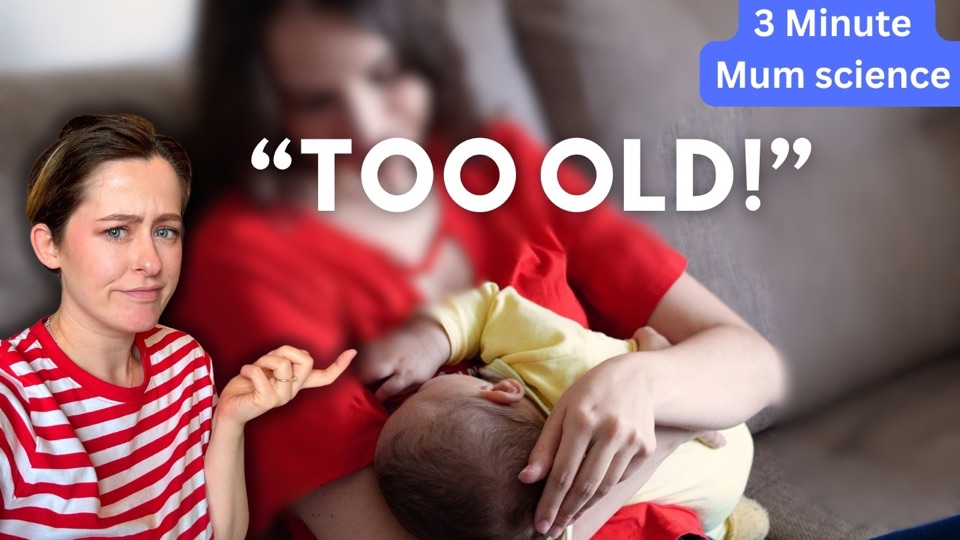
Should you breastfeed past one? What the research says about toddlers
Breastfeeding a toddler draws comments, but the guidance and the science are calmer than the cultural noise. Here's what milk in the second year contains, what it may do for immunity and the gut, and where the evidence is thin.